Why Regular Swimwear in the Sauna Is a Bad Idea
For many people, wearing a swimsuit in the sauna feels like the natural choice. It’s familiar, convenient, and often expected in shared spaces.
But most swimwear was never designed for heat.
Once you understand how synthetic fabrics behave in a sauna environment, it becomes clear that what you wear can change the entire experience — for your body, your skin, and even hygiene.
1. Heat and Synthetics Don’t Work Well Together
Most swimwear is made from synthetic fibres like polyester, nylon, or elastane. These materials are designed to perform in water, not in dry heat.
In a sauna, they tend to trap heat rather than release it. Instead of allowing your body to regulate naturally, they create a layer that holds warmth close to the skin. This can make the heat feel more intense and less comfortable than it needs to be.
2. Microplastics on Skin
Synthetic fabrics are, at their core, plastic.
Under high temperatures and friction, these materials can release microplastics. In a sauna, where the skin is warm and pores are open, this exposure happens directly on the body.
While the long-term impact is still being studied, it raises a simple question: is this really what you want against your skin in heat?
3. Traps Sweat and Bacteria
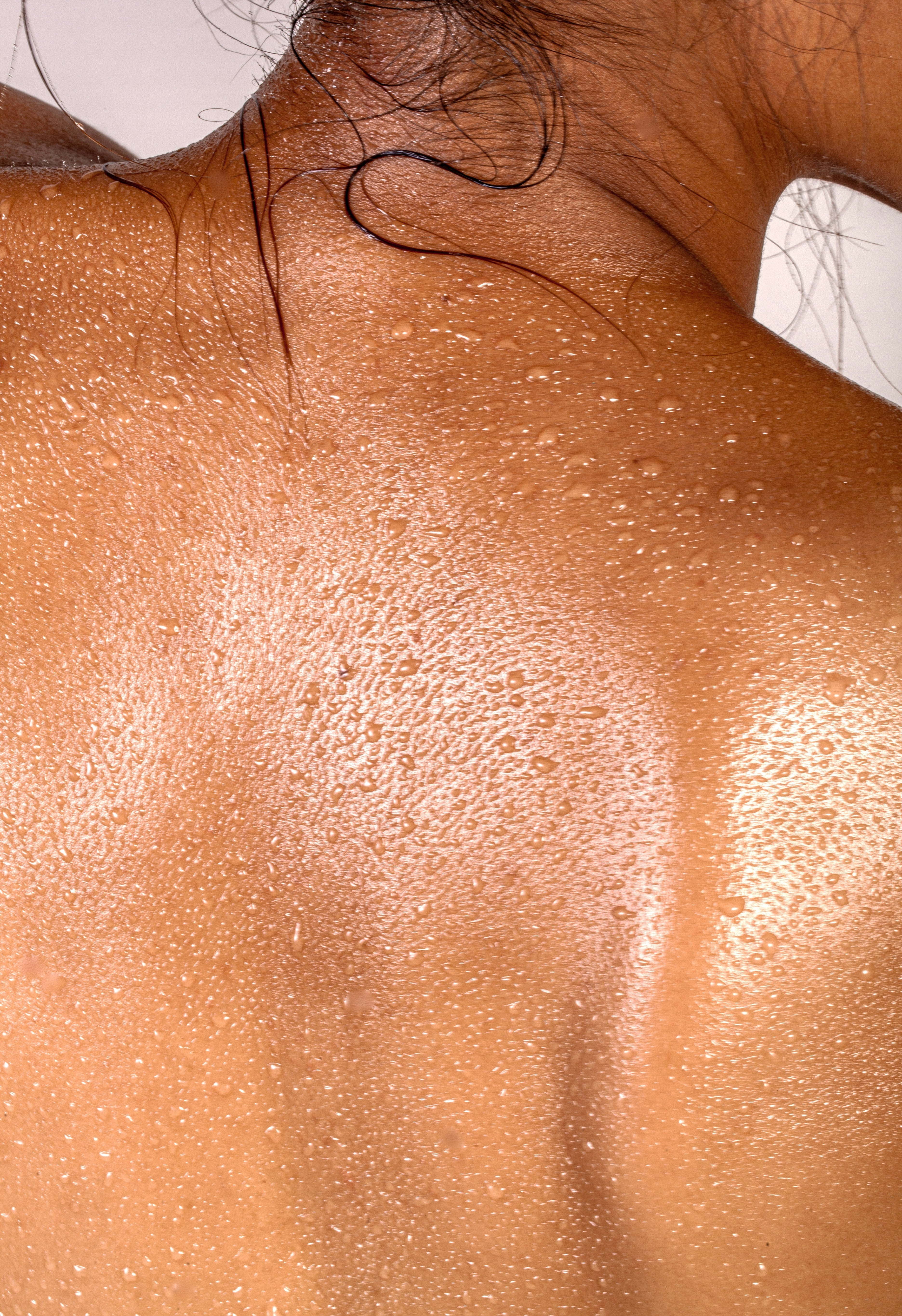
A sauna is designed to make you sweat. That’s part of the process.
But synthetic fabrics don’t handle moisture particularly well in this environment. They tend to hold sweat close to the skin instead of allowing it to evaporate.
The result is a warm, damp layer that can become a breeding ground for bacteria, especially during longer sessions or repeated rounds.
4. Blocks the Body’s Natural Cooling
Your body regulates temperature through the skin.
Sweating and evaporation are key parts of this process. When airflow is limited, this system becomes less efficient. Instead of cooling gradually, heat builds more quickly and unevenly.
That’s why the same sauna can feel completely different depending on what you wear.
5. Built for Water, Not Heat
Swimwear is engineered for a different purpose.
In water, synthetic fabrics are ideal: they’re durable, elastic, and quick to dry. In a dry, high-heat environment, those same qualities can work against the body.
They hold heat, retain moisture, and don’t adapt well to the conditions inside a sauna.
A Different Approach
In traditional sauna cultures, the approach is simple: either nothing at all, or materials that allow the body to breathe.
As sauna becomes more common in urban and shared environments, the need for an alternative has grown.
This is where a different kind of garment makes sense.
Designed for Heat
Saade was created specifically for sauna.
Using breathable, plant-based materials, our sauna swimsuit allows the skin to regulate temperature naturally while offering the coverage many people prefer in shared spaces.
The goal is not to reinvent the sauna experience, but to support it, so the body can do what it’s meant to do in heat.