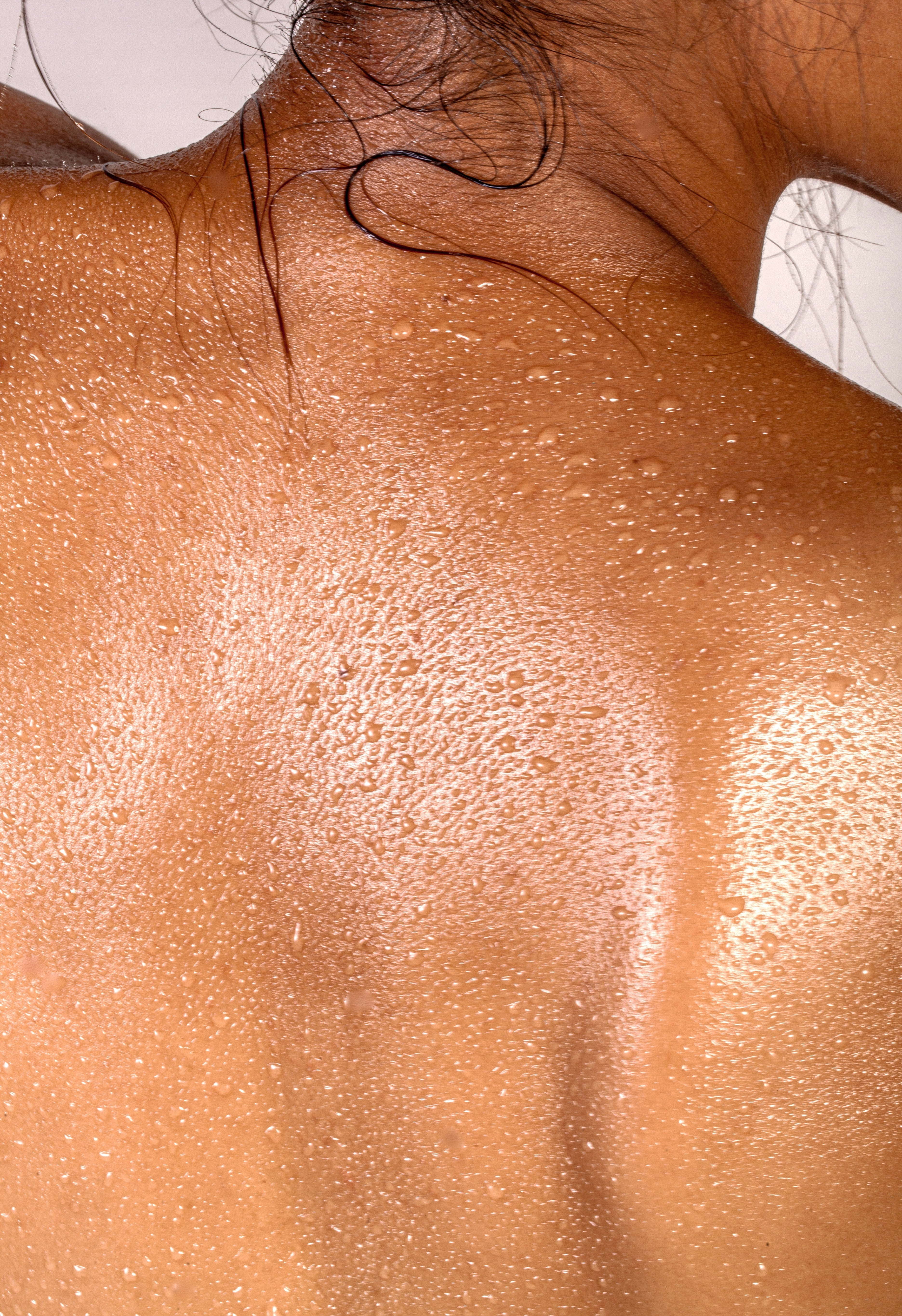
What Happens When You Sweat in Plastic
Wearing synthetic fabrics has become second nature. Most activewear, swimwear and even everyday clothing is made from plastic-based fibres.
In normal conditions, this isn’t always noticeable.
In heat — especially in a sauna — it becomes a different story.
When your body starts to sweat inside synthetic materials, several things change. And most of them work against the way the body is designed to regulate itself.
Heat Gets Trapped Instead of Released
The body relies on the skin to manage temperature. In a sauna, this process is already under pressure.
Synthetic fabrics don’t breathe in the same way natural or heat-safe materials do. Instead of allowing heat to escape, they hold it close to the skin. This can make the heat feel sharper, less even, and harder to tolerate.
As a result, the body has to work harder to cool itself down.
Sweating Becomes Less Effective
Sweat isn’t just about releasing water, it’s about evaporation.
When sweat evaporates, it cools the skin. This is one of the body’s primary cooling mechanisms. Synthetic fabrics often interfere with this by trapping moisture against the skin.
Instead of evaporating, sweat sits.
Cooling becomes less efficient, and the heat builds more quickly.
Microplastics Sit Directly on the Skin
Synthetic fabrics are made from plastic fibres.
Under conditions of heat, friction and moisture, these fibres can shed microscopic particles. In a sauna, this happens directly against warm, open skin.
While research is still ongoing, it raises a simple point: the conditions inside a sauna increase exposure at the exact moment the skin is most receptive.
A Warm, Damp Environment for Bacteria
When sweat is trapped, moisture builds up.
A warm, damp environment is exactly where bacteria thrive. In a sauna, this can lead to discomfort, irritation, and a less hygienic experience — especially over multiple rounds.
The issue isn’t sweating itself, but what happens when sweat has nowhere to go.
The Body’s Natural Rhythm Is Disrupted
A good sauna session follows a natural rhythm: heat builds, sweat flows, cooling restores balance.
When the skin is covered in materials that trap heat and moisture, this rhythm becomes uneven. The body struggles to regulate temperature smoothly, and the experience becomes more stressful than restorative.
Why This Matters
Most swimwear and activewear is designed for water or movement, not for sustained heat.
In a sauna, the environment changes everything. What works in a pool or gym doesn’t necessarily work in high temperatures.
That’s why traditional sauna practices either avoided clothing altogether or relied on simple, breathable materials that allow the body to function naturally.
A More Considered Approach
If you choose to wear something in the sauna, the goal should be simple:
support the body, not interfere with it.
Breathable, heat-safe fabrics allow heat to circulate, sweat to evaporate and the skin to regulate temperature properly.
This is the thinking behind Saade.
Our sauna swimwear is specifically designed for sauna, steam and contrast therapy, using plant-based materials that work with the body in heat, not against it.